LEARN MORE ABOUT
We cannot leave Rottum before being told a little more about the history of this special place.
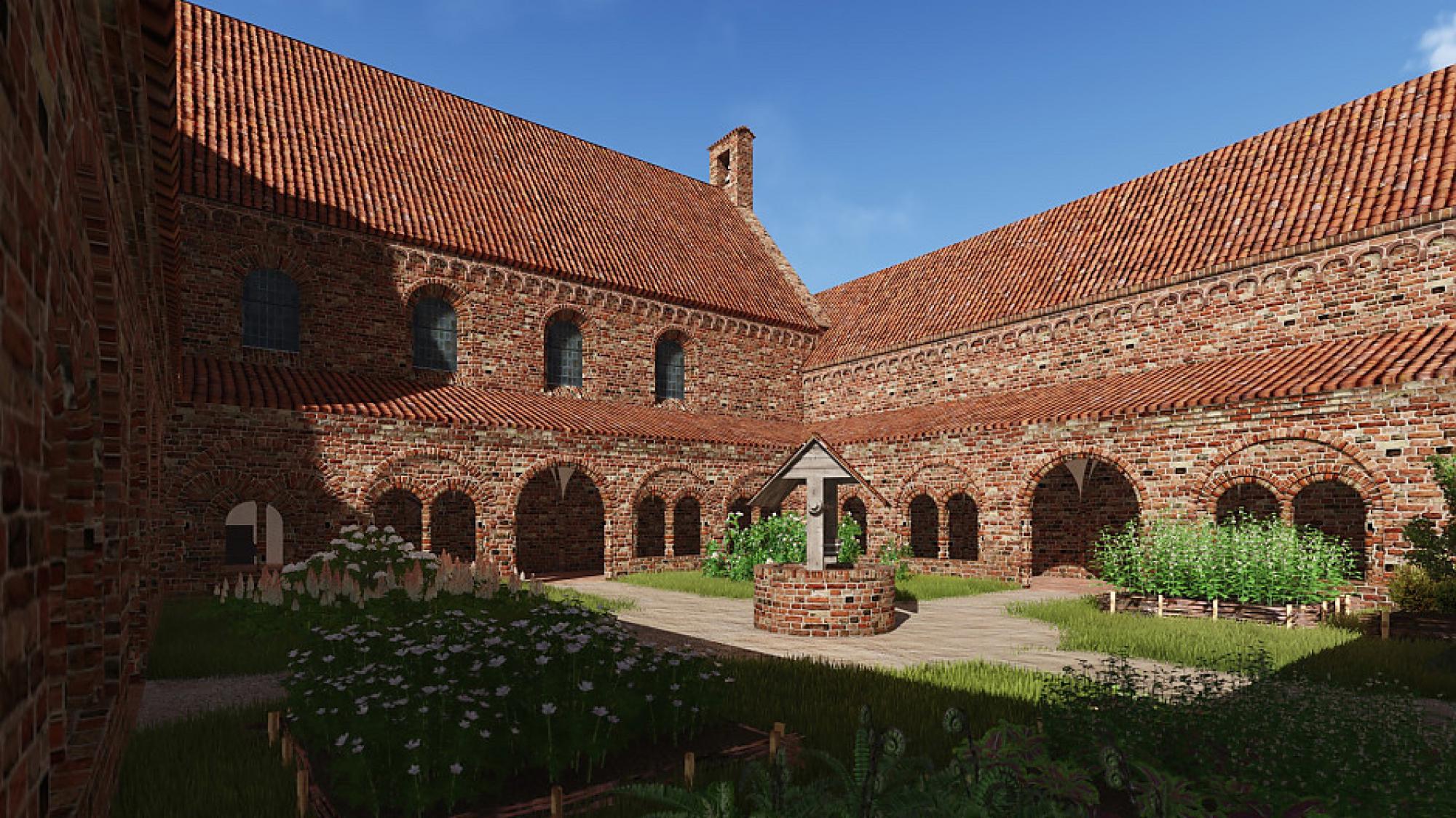
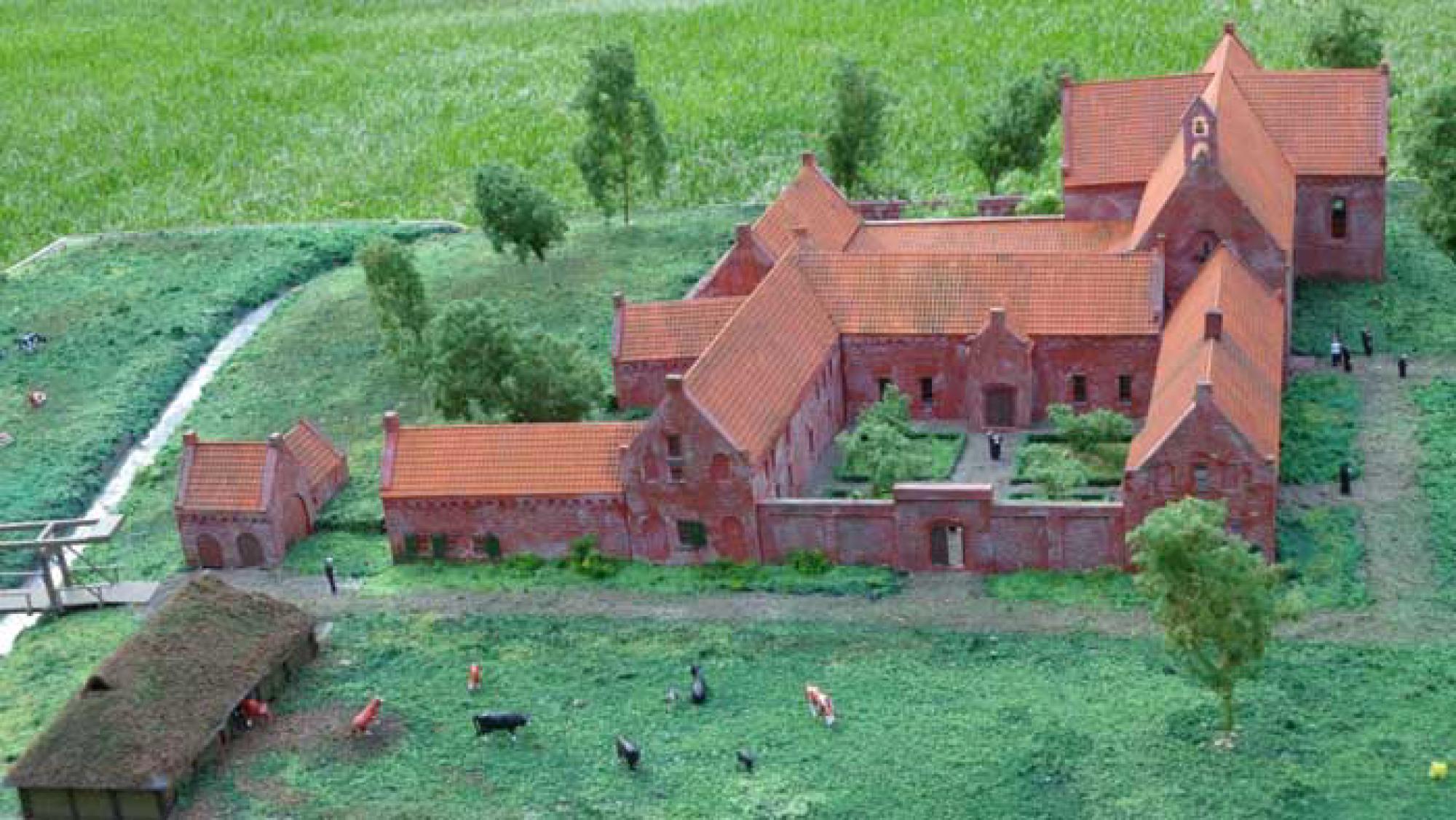
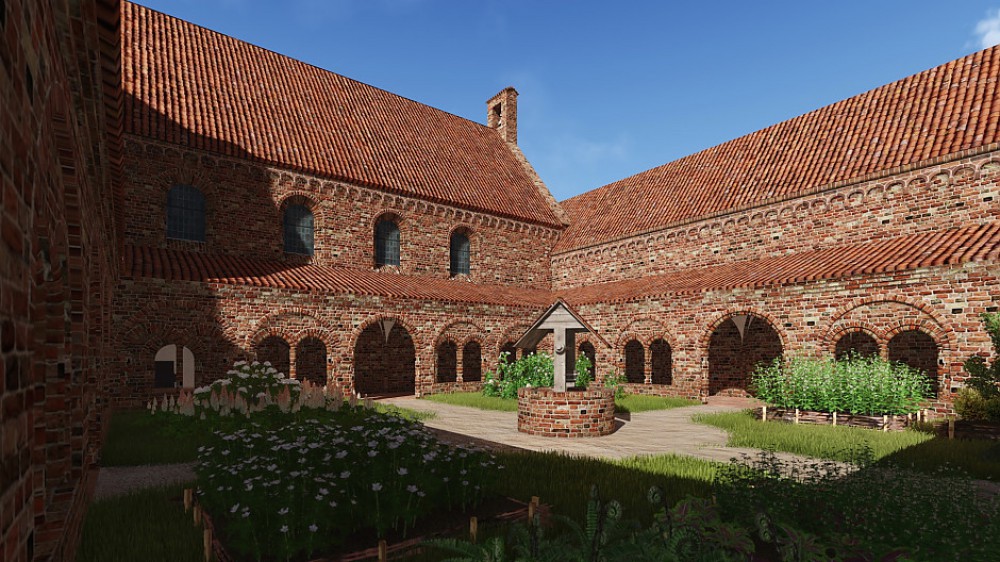
A walk around the mound, where a large monastery stood in the Middle Ages, as well as a visit to the exhibition in the church, is worthwhile. The first inhabitants settled here as early as the 6th century BC. In the centuries that followed, the mound was built up. In the 13th century, Benedictine monks established the St Juliana monastery there.
An uithof was built on a mound west of Rottum. This was a large farm from which the monastery's vast lands were worked and managed. The monastery exerted great influence over the surrounding area and owned vast amounts of land as far away as Rottum. This fore-work turned into a nunnery, where some 40 nuns came to live. According to tradition, the 40 nuns first lived with the monks in the monastery of Rottum. This was not entirely unusual for the Benedictine order - as long as they kept the vow of chastity. But that vow was quite often forgotten in quiet and remote Rottum. Several children were the product of slip-ups between monks and nuns. When the furtive affairs and immorality got out of hand, the nuns had to leave, and they were placed in the outfield. This place was called Bethlehem.
Life for the nuns was full of trials, of robberies, rapes. Over the years, most of the nuns left, or disappeared, taken by a monk from Rottum, a soldier, or otherwise. Eight more nuns remained, eventually moving back into the Juliana convent.
The convent did not survive the ravages of time. Arson, dilapidation, and was reduced to ruins, and eventually demolished. The present church was built on its foundations.
Continue your route on Jacob Tilbusscherweg